


When people picture preparing for a trip abroad, they usually think of passports, currency and a decent pair of walking shoes. Few give much thought to the small bottle of mosquito repellent tucked into a side pocket, yet it may end up doing more to protect their health than almost anything else in the suitcase. Insect bites are not just an itchy inconvenience abroad; in many parts of the world they are the main route by which serious diseases are transmitted.
At Mendus Pharmacy, one of the most important conversations we have with travellers is not just about which vaccines they need, but about how they plan to avoid being bitten in the first place. Some mosquito-borne illnesses can be prevented with a vaccine. Others cannot be vaccinated against at all, which means that mosquito repellent, clothing choices and sensible bite avoidance become the main form of protection available.
This guide walks through which insect-borne diseases have a vaccine, which rely entirely on prevention through mosquito repellent and other measures, and how to choose and use repellent properly before and during your trip. If you are planning travel and would like personalised advice, contact us or visit our travel services page to book a pre-travel consultation.
Why Insect-Borne Diseases Matter for Travellers
Mosquitoes and other biting insects are responsible for spreading some of the most significant infectious diseases affecting travellers worldwide. Risk varies considerably depending on your destination, the time of year, altitude, rainfall, and how much time you spend outdoors, particularly around dawn and dusk when many mosquito species are at their most active.
Because risk differs so much from one trip to the next, general information like this article should never replace a proper travel health assessment. It is intended to help you understand your options and prompt the right questions when you come in for advice, whether that is about vaccination, antimalarial tablets, or which mosquito repellent is suitable for your trip.
- Risk can vary within the same country depending on the region visited
- Urban and coastal areas often carry a different risk profile to rural or forested regions
- Rainy seasons typically increase mosquito activity and breeding
- Some diseases are more prevalent at certain times of year than others
Insect-Borne Diseases With a Vaccine Available
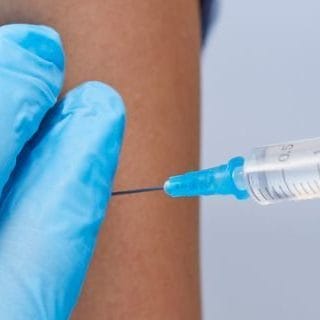
A small number of mosquito-borne diseases can be prevented, or the risk significantly reduced, through vaccination.
| Disease | Vaccine Availability | Typical Risk Areas |
|---|---|---|
| Yellow Fever | Single-dose vaccine, often required for entry to certain countries | Parts of sub-Saharan Africa and tropical South America |
| Japanese Encephalitis | Course of two doses, recommended for longer or rural stays | Rural areas of Asia and parts of the Western Pacific |
| Dengue Fever | A licensed vaccine exists but is only suitable for a limited group of travellers with a prior confirmed dengue infection | Widely across Asia, the Americas and parts of Africa |
A pre-travel appointment is the best way to establish whether any of these vaccines are relevant to your itinerary, as recommendations depend heavily on destination, length of stay, and personal medical history. Even where a vaccine is available and taken, mosquito repellent remains a necessary addition, not a replacement.
Insect-Borne Diseases Without a Vaccine
This is the part that often surprises travellers. Several of the most common mosquito-borne illnesses have no vaccine available for routine travel use, which makes bite avoidance, and mosquito repellent specifically, the main form of protection.
- Malaria, spread by the Anopheles mosquito, has no vaccine routinely offered to UK travellers. Protection instead relies on antimalarial tablets combined with mosquito repellent and other bite avoidance measures
- Zika Virus has no available vaccine, and is a particular consideration for anyone who is pregnant or planning pregnancy
- Chikungunya has no widely available vaccine for general travellers in the UK
For these diseases, mosquito repellent is not simply a backup measure. It is the primary and most reliable form of protection available, alongside any prescribed antimalarial medication where relevant to your destination.
Why Mosquito Repellent Still Matters, Even If You Are Vaccinated
Even where a vaccine exists, it typically protects against one specific disease only, not every insect-borne illness present in a region. A traveller vaccinated against yellow fever, for example, remains just as exposed to malaria, dengue or Zika in the same country. Mosquito repellent and vaccination work alongside each other, not as substitutes.
| Protection Method | What It Covers |
|---|---|
| Vaccination | Protects against one specific disease only, where a vaccine exists |
| Antimalarial tablets | Reduce risk of malaria specifically, taken before, during and after travel as advised |
| Mosquito repellent and bite avoidance | Reduces risk across all insect-borne diseases, vaccinated or not |
Choosing the Right Mosquito Repellent
Not all repellents offer the same level of protection, and choosing the right one for your destination and personal circumstances matters. The active ingredient, concentration and how consistently it is applied all affect how well a mosquito repellent works in practice.
- DEET-based repellents are considered the most effective and are recommended for higher-risk destinations, generally at concentrations of 20 to 50 percent for adults
- Picaridin-based repellents offer similar effectiveness to DEET with a lighter feel on the skin and less odour, and may suit those who dislike DEET
- Natural or plant-based repellents, such as those containing lemon eucalyptus oil, can offer some protection but generally provide shorter-lasting effect and are not usually recommended as the sole protection in high-risk malaria areas
- Permethrin-treated clothing and nets add an extra layer of protection, particularly useful overnight or in accommodation without full screening
DEET-based repellents are considered safe for most adults and children over two months old when used as directed. Specific concentration and product advice can vary for pregnant travellers, young children and those with certain skin conditions, so it is worth asking during your consultation.
Yes. Many insect-borne diseases have no vaccine at all, so mosquito repellent use should not depend on whether a country requires or recommends vaccination.
Yes, but apply sun cream first and allow it to absorb before applying mosquito repellent on top. Combined two-in-one products are generally not recommended, as reapplication needs differ between the two.
Applying Mosquito Repellent Correctly
How a mosquito repellent is applied matters just as much as which product you choose. The NHS advises the following measures to reduce your chances of being bitten while travelling in higher-risk areas:
- Apply mosquito repellent to all areas of exposed skin, not just ankles or arms
- Reapply regularly, particularly after swimming, sweating, or towel-drying
- Apply sunscreen first and repellent afterwards, allowing a short gap between the two
- Wear long sleeves and trousers, especially around dawn and dusk
- Sleep under a permethrin-treated mosquito net where accommodation is not fully screened or air-conditioned
- Use plug-in or portable insecticide devices indoors where appropriate
- Check for standing water near accommodation, as this is where mosquitoes often breed
Packing Checklist for Insect-Borne Disease Prevention
A short checklist can help ensure nothing is forgotten before departure.
1. Book a travel health consultation to confirm which vaccines apply to your trip
2. Collect any prescribed antimalarial tablets in good time, with enough supply for the full course
3. Pack a DEET or picaridin-based mosquito repellent suitable for the concentration recommended for your destination
4. Pack loose, long-sleeved clothing for evenings in higher-risk areas
5. Consider a permethrin-treated net if travelling to remote or basic accommodation
6. Check whether your accommodation has screened windows or air conditioning

Every Trip Carries Its Own Risk Profile
There is no single checklist that applies to every traveller or every destination. Risk depends on where you are going, how long you are staying, the time of year, your accommodation, your activities, and your own health history. Two people travelling to the same country in the same month may need quite different advice depending on these factors, including different recommendations on which mosquito repellent and concentration is most suitable for them.
This is why general guidance, including this article, should not be used as a substitute for a personal travel health consultation. A trained professional can assess your specific itinerary and recommend the right combination of vaccines, medication and mosquito repellent for you.
Frequently Asked Questions
In many cases, yes, though some vaccines require a course of doses over several weeks. Your consultation will confirm the right schedule for your trip.
No. Antimalarial tablets are combined with bite avoidance measures, including mosquito repellent, clothing and nets, for the most effective protection.
Vaccine recommendations, antimalarial suitability and mosquito repellent guidance can all differ for children, so it is best to discuss your child’s specific trip and age during a consultation.
No. Requirements vary by country and sometimes by region within a country, so this should be checked against your specific itinerary rather than assumed.
This depends on the product and its concentration, but reapplication is typically needed every few hours, and sooner after swimming, sweating or towelling dry. Always follow the instructions on the specific product you are using.
Most mosquito repellent sprays and lotions can be carried in hand luggage if they meet standard liquid allowance rules, or packed in larger sizes in hold luggage. It is worth checking your airline’s specific liquid restrictions before you fly.
Plan Your Trip With Confidence in Pembroke
Whether you need vaccinations, malaria advice, or simply want guidance on which mosquito repellent is right for your destination, our team can help you put together a plan that suits your specific trip. Getting this right before you travel means fewer surprises once you arrive, and greater peace of mind while you are away.
Reach out to us today or visit our travel clinic to book your pre-travel consultation with Mendus Pharmacy.