

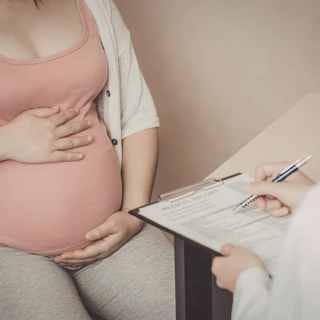
Pregnancy brings with it a long list of things to think about, and for those who are also planning to travel, that list grows even longer. One question that comes up regularly for pregnant patients preparing for a trip is whether the whooping cough vaccine fits into their travel health plans, when it should be given, and whether travelling changes any of the standard advice.
The short answer is that the whooping cough vaccine is recommended during every pregnancy in the UK, regardless of whether you are travelling. But if you are planning to go abroad, there are additional considerations worth understanding before you book your appointment or board your flight.
This guide is aimed at pregnant patients in Pembroke and the surrounding area who want clear, practical information about the whooping cough vaccine, how it relates to travel, and what else to consider when travelling during pregnancy.
If you would like to discuss your specific circumstances with our team, contact us at Mendus Pharmacy in Pembroke or book a consultation with our team today.
What Is Whooping Cough and Why Does It Matter in Pregnancy?
Whooping cough, also known as pertussis, is a highly contagious respiratory infection caused by the bacterium Bordetella pertussis. It spreads easily through coughing and sneezing and can affect people of all ages, but it is most dangerous in young babies who are too small to be vaccinated themselves.
In newborns, whooping cough can cause severe breathing difficulties, prolonged coughing fits, and in the most serious cases can be life-threatening. Most babies who die from whooping cough in the UK are under three months old and were too young to have started their own vaccination course.
The vaccine given during pregnancy works by allowing antibodies to pass from the mother to the baby through the placenta. This gives the newborn a level of protection from birth, bridging the gap until the baby is old enough to receive their own vaccines at eight weeks.
Key facts about whooping cough to understand before travelling:
- It is highly contagious and spreads through respiratory droplets in the air
- Babies under two months old are at greatest risk of serious illness and death
- Whooping cough circulates globally and is not limited to developing countries
- Outbreaks occur periodically in the UK and elsewhere, including in countries with high vaccination rates
- Adults can carry and transmit the infection without realising they have it, as symptoms in adults can be mild
- Vaccination during pregnancy is the most effective way to protect a newborn before their own vaccines begin
When Should the Whooping Cough Vaccine Be Given During Pregnancy?
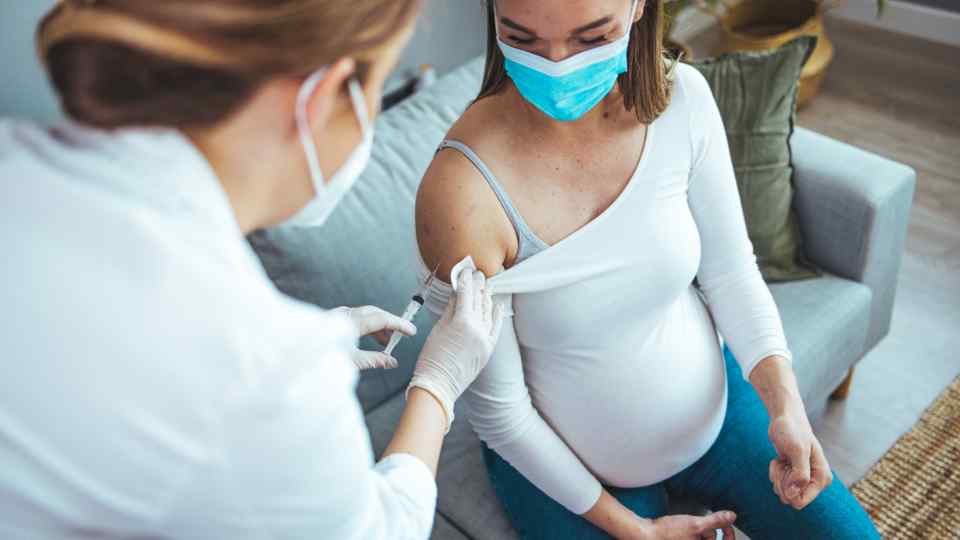
The NHS recommends that the whooping cough vaccine is given between 16 and 32 weeks of pregnancy, with the ideal window being from 16 to 32 weeks. Receiving the vaccine during this period allows the maximum transfer of protective antibodies to the baby before birth.
It is still possible to receive the vaccine after 32 weeks, though the level of protection passed to the baby may be lower. If you did not receive the vaccine before the birth, it can be given after delivery, but this does not provide the same immediate protection for the newborn as vaccination during pregnancy.
| Timing | Recommended? | Notes |
|---|---|---|
| 16 to 32 weeks pregnant | Yes, ideal window | Allows maximum antibody transfer to baby before birth |
| After 32 weeks but before birth | Yes, still beneficial | Some antibody transfer still occurs; better than no vaccination |
| After birth (postnatal) | Yes, if missed in pregnancy | Protects the mother but does not provide direct protection to the newborn |
| Before 16 weeks | Not routinely advised | The optimal window has not yet been reached; speak to your clinician |
How Does Travel Affect the Timing of the Vaccine?
If you are planning to travel during pregnancy, the timing of your whooping cough vaccine becomes even more important to think through carefully. Travelling to countries with different levels of disease prevalence, varying vaccine coverage rates, or where access to emergency medical care may be limited adds a layer of urgency to getting protected before you go.
There are several reasons why travel makes early vaccination more relevant:
- Exposure risk may be higher in some destinations, particularly in regions with lower vaccination coverage or active outbreaks
- Access to healthcare abroad may be less straightforward than at home, making prevention all the more important
- If you are travelling close to your due date, there may be limited opportunity to receive the vaccine after returning
- Long-haul travel, particularly in enclosed environments such as aircraft, increases the chance of exposure to respiratory infections
- In some countries, newborn vaccination schedules differ from the UK, meaning a baby born abroad may not receive the same early protection
The general advice is to try to receive the whooping cough vaccine before travelling if you are within the recommended window, or to arrange it promptly upon returning if travel falls during the early weeks of that window.
Is the Whooping Cough Vaccine Safe During Pregnancy?
Yes. The whooping cough vaccine used in the UK during pregnancy is an inactivated vaccine, meaning it does not contain any live bacteria. It cannot cause whooping cough in the mother or the baby.
The vaccine has been used routinely in the UK since 2012 and has been given to hundreds of thousands of pregnant women. The safety data accumulated over this period is reassuring, and the NHS states clearly that the vaccine is safe to receive at any stage of pregnancy, with the optimal timing being the second trimester window described above.
Common, mild reactions after vaccination can include:
- Soreness, redness, or swelling at the injection site
- A mild temperature in the hours following vaccination
- Feeling slightly tired or unwell for a day or two after the injection
These reactions are normal and typically resolve quickly. Serious adverse reactions are rare. If you have any concerns after receiving the vaccine, contact a healthcare professional for advice.
What Vaccine Is Used and Does It Cover Anything Else?
The whooping cough vaccine offered during pregnancy in the UK is not a standalone pertussis vaccine. It is given as part of a combined vaccine that also protects against diphtheria, tetanus, and polio. This is sometimes referred to as the Tdap vaccine or by the brand name Boostrix-IPV.
This means that in addition to protecting your baby against whooping cough, the vaccination also:
- Boosts your own protection against diphtheria
- Refreshes your immunity to tetanus, which is relevant for travel to destinations where wound care may be limited
- Provides an additional dose of polio protection, which may be relevant depending on your travel destination
For travellers heading to destinations where polio or tetanus risk is elevated, this combined coverage is particularly valuable and worth discussing with your travel health clinician.
General Travel Advice for Pregnant Patients
Beyond the whooping cough vaccine, there are a number of broader travel health considerations that apply to pregnant patients planning a trip. A full travel health consultation will cover these in detail based on your specific destination and stage of pregnancy.
| Consideration | Why It Matters | What to Do |
|---|---|---|
| Travel insurance | Standard policies may not cover pregnancy-related complications abroad | Ensure your policy specifically covers pregnancy and any potential complications |
| Airline restrictions | Most airlines have gestational age limits for flying | Check your airline’s policy; most require a letter from your midwife or GP after 28 weeks |
| Malaria risk destinations | Some antimalarials are not safe in pregnancy; malaria itself poses serious risks | Seek specialist travel health advice before booking travel to malaria-risk areas |
| Food and water safety | Foodborne illness can be more serious during pregnancy | Follow strict food and water hygiene practices throughout your trip |
| Vaccinations abroad | Some live vaccines are not safe during pregnancy | Discuss all required and recommended vaccines with a clinician before travel |
| Access to maternity care | Emergency obstetric care may be limited in some destinations | Research local healthcare provision at your destination before travelling |
| DVT risk during long-haul travel | Pregnancy increases the risk of deep vein thrombosis during long journeys | Discuss compression stockings and movement strategies with your midwife or GP |
Find out if you need any travel vaccines below – but remember, it is important to inform your healthcare provider if you are pregnant or have any conditions that might prevent you from getting vaccinated:

Which Vaccines Are Not Recommended During Pregnancy?
While the whooping cough vaccine is safe during pregnancy, not all vaccines are. Live vaccines, which contain a weakened but active form of a pathogen, are generally not recommended during pregnancy because of the theoretical risk to the developing baby.
Live vaccines to avoid during pregnancy include:
- Yellow fever vaccine
- MMR (measles, mumps, and rubella)
- Chickenpox (varicella) vaccine
- BCG (tuberculosis) vaccine
- Oral typhoid vaccine
- Oral cholera vaccine (seek specific advice as guidance varies)
If your destination requires or strongly recommends any of these vaccines, it is important to discuss the risks and benefits carefully with a clinician before making any decisions. In some cases, the risk of the disease may outweigh the theoretical risk of vaccination, and a specialist may still advise proceeding. This is a conversation that should always happen with a qualified healthcare professional rather than being decided independently.
Frequently Asked Questions
➤ Do I need the whooping cough vaccine if I have already had it in a previous pregnancy?
Yes. The NHS recommends that the whooping cough vaccine is given during every pregnancy, as the antibodies passed to the baby during one pregnancy do not carry forward to the next.
➤ Can I have the whooping cough vaccine and a travel vaccine at the same appointment?
In many cases, yes. Inactivated vaccines can often be given at the same time. However, this depends on the specific vaccines involved, and a clinician will advise on the best approach for your individual circumstances.
➤ What if I am travelling before I reach 16 weeks?
If you are travelling before the recommended vaccination window begins, you should still have a travel health consultation to discuss your destination, any other relevant vaccines, and a plan for receiving the whooping cough vaccine as soon as you reach the appropriate stage of pregnancy.
➤ Is it safe to fly during pregnancy?
For most women with uncomplicated pregnancies, flying is considered safe up to around 36 weeks, though individual airlines set their own policies. Always check with your airline and discuss your specific circumstances with your midwife or GP before flying.
➤ What should I do if I cannot get the vaccine before I travel?
Speak to a healthcare professional as soon as possible. If travel cannot be delayed and you are within the vaccination window, a clinician may be able to arrange vaccination at short notice. If you travel without it, arrange vaccination promptly after returning.
➤ Can I get the whooping cough vaccine at Mendus Pharmacy in Pembroke?
Please contact us or book a consultation with our team at Mendus Pharmacy and we will be happy to advise on what is available and how we can support you.
Speak to Our Team in Pembroke Before You Travel
Travelling during pregnancy requires careful planning, and the whooping cough vaccine is one piece of a broader picture that a travel health consultation can help you put together. Whether you need advice on timing, want to understand which vaccines are safe during pregnancy, or simply want to make sure you have covered everything before you go, our team at Mendus Pharmacy in Pembroke is here to help.
We offer personalised travel health consultations that take your stage of pregnancy, destination, and individual health circumstances into account, so you can travel with confidence and peace of mind.
Get in touch with us today or book a travel health consultation with our team at Mendus Pharmacy before your next trip.