

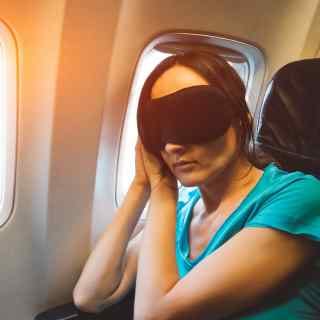

Few things take the shine off an exciting trip quite like arriving at your destination feeling exhausted, disoriented, and unable to sleep at the right times. Jet lag is one of the most commonly reported travel complaints, and yet it is also one of the least prepared for. Whether you are heading to Florida for a family holiday, exploring Southeast Asia, or flying long haul for the first time, understanding what jet lag is and how to manage it can make a genuine difference to how quickly you settle in and start enjoying yourself.
At Mendus Pharmacy and Travel Clinic in Pembroke, we offer travel health consultations to help you prepare properly before departure. If you are planning a long-haul trip, contact us or book a consultation with our team ahead of your travels.
What Is Jet Lag and Why Does It Happen?
Jet lag is a temporary sleep disorder caused by rapid travel across multiple time zones. Your body operates on an internal clock known as the circadian rhythm, which regulates sleep, wakefulness, appetite, and other biological functions according to the light and dark cycle of your home environment.
When you fly across time zones, your internal clock falls out of sync with the local time at your destination. Your body may still believe it is the middle of the night when it is midday locally, or vice versa. This mismatch causes the collection of symptoms we recognise as jet lag.
Common symptoms of jet lag include:
- Difficulty sleeping or staying asleep at the right times
- Daytime fatigue and low energy
- Difficulty concentrating or thinking clearly
- Irritability or low mood
- Mild digestive disturbances such as nausea, constiptation, or changes in appetite
- General feeling of being unwell
Symptoms typically begin within a day of arrival and can last for several days depending on a number of factors, including how many time zones were crossed and the direction of travel.

How Long Does Jet Lag Last?
The honest answer is that it varies. Most people find that jet lag resolves within a few days, though for longer journeys crossing many time zones, it can take closer to a week or more before the body fully adjusts.
A commonly used rule of thumb is that recovery takes roughly one day per time zone crossed, though individual responses differ. Eastward travel tends to cause more pronounced jet lag than westward travel, as it requires your body to advance its internal clock rather than delay it, which most people find harder to adapt to.
| Destination From Pembroke (UK) | Approximate Flight Time | Time Zones Crossed | Typical Jet Lag Duration |
|---|---|---|---|
| New York, USA | Around 8 to 9 hours | 5 hours behind UK | 3 to 5 days |
| Florida, USA | Around 9 to 10 hours | 5 hours behind UK | 3 to 5 days |
| Dubai, UAE | Around 7 hours | 4 hours ahead of UK | 2 to 4 days |
| Bangkok, Thailand | Around 11 to 12 hours | 6 to 7 hours ahead of UK | 4 to 6 days |
| Sydney, Australia | Around 21 to 23 hours (with stopover) | 9 to 11 hours ahead of UK | 6 to 9 days |
| Los Angeles, USA | Around 11 hours | 8 hours behind UK | 5 to 7 days |
| Tokyo, Japan | Around 12 to 13 hours | 9 hours ahead of UK | 6 to 8 days |
| Cancun, Mexico | Around 10 to 11 hours | 6 hours behind UK | 4 to 6 days |
These figures are estimates and will vary between individuals. Age, general health, sleep quality before travel, alcohol consumption during the flight, and hydration levels can all influence how long jet lag lasts and how severely it is felt.
Eastbound vs Westbound Travel: Does Direction Matter?
Yes, and more than most travellers realise. Travelling eastward, for example from the UK to Thailand or Japan, tends to produce more difficult jet lag because you are effectively shortening your day and asking your body clock to move forward. Most people find this harder than moving backwards.
Travelling westward, such as flying to the United States, usually results in milder jet lag for many travellers because you are extending your day. Your body adapts more naturally to staying awake longer than to going to sleep earlier than usual.
If you are travelling east, it is worth building in a little extra recovery time before any important commitments at your destination.

How to Ease Jet Lag and Enjoy Your Trip Sooner
The good news is that there are several practical steps you can take before, during, and after your flight to reduce the impact of jet lag and help your body adjust more quickly.
Before you fly:
- Begin adjusting your sleep and wake times gradually in the days before departure, shifting them closer to your destination’s schedule where possible
- Get as much rest as you can in the days leading up to your flight, as starting your journey well-rested gives your body a better foundation
- Avoid heavy alcohol consumption before travel, as this can worsen fatigue and disrupt sleep patterns
- Book an evening departure if possible for long-haul eastward flights, as this may make it easier to sleep on the plane and arrive in daylight
During your flight:
- Set your watch to the destination time zone as soon as you board, and start thinking in terms of that schedule
- Stay well hydrated throughout the flight by drinking water regularly and limiting alcohol and caffeine
- Try to sleep on the plane if it is night-time at your destination, using an eye mask, ear plugs, or noise-cancelling headphones to help
- Move around the cabin periodically to improve circulation and reduce stiffness
- Eat light meals and avoid heavy, rich foods during the flight, which can make fatigue worse
After you arrive:
- Try to stay awake until local bedtime on the day of arrival, even if you feel tired, as this helps your body clock reset more quickly
- Get outside in natural daylight as soon as possible, as light exposure is one of the most effective ways to reset your circadian rhythm
- Avoid napping for long periods during the day, as this can delay adjustment
- Maintain a consistent sleep and wake schedule once at your destination
- Continue to stay hydrated and eat meals in line with local mealtimes
Can Medication Help With Jet Lag?
For some travellers, particularly those crossing many time zones or travelling for important events, medication may be considered as part of a jet lag management plan.
Melatonin is a hormone naturally produced by the body in response to darkness and plays an important role in regulating sleep. Supplemental melatonin is used by some travellers to help shift the body clock and improve sleep at the destination. It is worth discussing this with a healthcare professional before your trip, as timing and dosage are important for it to be effective.
Short-term sleep aids may also be considered in some circumstances, though these are not suitable for everyone and should only be used under professional guidance.
A pre-travel health consultation at Mendus Pharmacy in Pembroke is an ideal opportunity to discuss whether any supportive measures are appropriate for your specific journey.
Frequently Asked Questions About Jet Lag
If you are still in search of answers, click on each FAQ to learn more:
Does jet lag get worse as you get older?
Many people do find that jet lag becomes more noticeable with age. Older travellers may take slightly longer to adjust, partly because circadian rhythms can become less flexible over time. Planning extra recovery time and following good sleep hygiene strategies can help significantly.
Can children get jet lag?
Yes, children can experience jet lag, though they often adapt more quickly than adults. Their sleep schedules can still be disrupted, which may lead to irritability, difficulty sleeping at night, and daytime sleepiness. Gradual schedule adjustments before travel and consistency on arrival can help.
Is jet lag worse going to Australia than to America?
Generally speaking, yes. Travel to Australia from the UK involves crossing far more time zones, and the journey typically requires a stopover, adding to overall fatigue. Recovery may take closer to a week or more compared to a transatlantic flight to the US east coast.
Does melatonin definitely work for jet lag?
Melatonin is considered helpful by many travellers and is supported by a reasonable body of evidence, particularly for eastward travel. However, timing is important, and it does not work the same way for everyone. Speaking to a healthcare professional before using it is advisable to make sure it is appropriate and used correctly.
Should I try to stay awake when I arrive or go straight to sleep?
Staying awake until local bedtime on the day of arrival is generally recommended, as it helps your body clock reset more quickly. Sleeping in the middle of the local day can delay adjustment and make jet lag last longer. A short nap of no more than 20 to 30 minutes may be acceptable if you are very tired.
Can a travel health consultation help with jet lag preparation?
Yes. A consultation with our team at Mendus Pharmacy in Pembroke is a valuable opportunity to discuss your specific itinerary, consider appropriate supportive measures, and ensure you are as well prepared as possible before departure. We can advise on both practical strategies and any relevant medication options.
Does alcohol on the plane make jet lag worse?
Yes. Alcohol is dehydrating and can disrupt sleep quality even when consumed in modest amounts. Drinking on a long-haul flight can leave you feeling significantly worse on arrival and may prolong jet lag recovery. Water and soft drinks are far better choices during the journey.
Important Note
This blog is intended as a general guide to jet lag and pre-travel preparation. It does not constitute medical advice, and individual experiences will vary. For personalised pre-travel health guidance, please contact us or visit us in Pembroke before your trip.
Plan Ahead With Mendus Pharmacy in Pembroke
Jet lag is an unavoidable part of long-haul travel for many people, but with the right preparation, its impact can be reduced considerably. Knowing what to expect based on your destination, following practical strategies before and during your flight, and seeking professional advice where needed all contribute to a more comfortable and enjoyable trip from the moment you land.
Our team in Pembroke is here to help you travel well and feel prepared, whatever your destination. From pre-travel health consultations to advice on managing travel-related health concerns, including jet lag and altitude sickness, we are happy to help you plan your trip with confidence.
Get in touch with us today or book a pre-travel consultation with Mendus Pharmacy and set off on your next adventure feeling ready.