



Many patients beginning treatment wonder why their progress may feel slow at the start. A common concern is that Mounjaro not working during the early stages of treatment might mean the medication is ineffective. In reality, starting with a lower dose is an intentional and important part of safe medical treatment.
Mounjaro is introduced gradually so the body can adjust to the medication before moving to stronger doses. This approach helps reduce side effects and ensures treatment remains safe and effective.
If you are unsure about your progress or dosage, contact us or book an appointment with the team at Mendus Pharmacy for professional guidance on your treatment plan.
Why is Mounjaro Not Working Yet?
If Mounjaro not working quickly on a low dose feels frustrating, it is important to understand that the starting dose is designed primarily to help the body adjust to the medication rather than to produce maximum weight loss.
Dose increases are usually introduced gradually under medical supervision. Higher doses may provide stronger appetite control and metabolic effects, which can lead to greater weight loss over time.
What Patients Should Understand About Dose Strength
Understanding how Mounjaro dosing works can help patients feel more confident during the early stages of treatment.
Key points to remember include:
- The starting dose is designed to help the body adjust to the medication
- Lower doses may not produce the full appetite suppression effect
- Dose increases typically occur gradually over several weeks
- Stronger doses may provide greater appetite regulation
- Progress varies between individuals
- Clinical supervision ensures doses are adjusted safely
These factors explain why early treatment stages may feel slower while the body adapts.
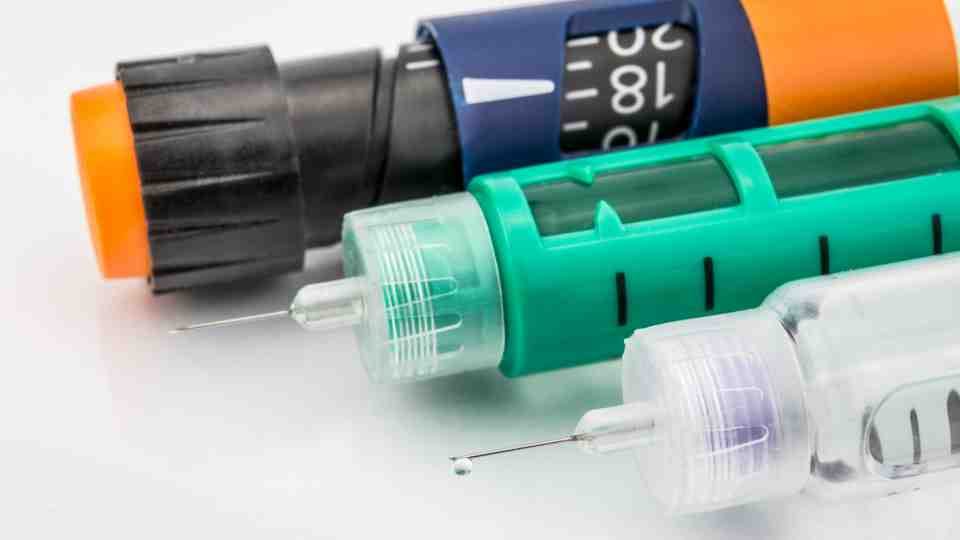
Why Treatment Starts With A Low Dose
Mounjaro works by influencing hormones involved in appetite control and blood sugar regulation. Because the medication affects multiple systems in the body, starting at a lower dose helps reduce the risk of side effects.
Beginning treatment gradually allows patients to adapt to the medication while monitoring how their body responds. This careful approach also helps clinicians determine the most appropriate dose for long term treatment.
Patients who increase their dose too quickly without medical supervision may experience unnecessary side effects or complications.
Why Higher Doses May Improve Results
For many patients, weight loss becomes more noticeable once the dose is increased beyond the initial introduction stage.
Higher doses may:
- Provide stronger appetite suppression
- Improve feelings of fullness after meals
- Reduce food cravings
- Support improved metabolic regulation
However, increasing the dose is not always necessary for every patient. Some individuals achieve effective weight loss on moderate doses depending on their response to treatment.
Why Professional Guidance Is Important
Medication adjustments should always be made with clinical supervision. Attempting to change doses independently can increase the risk of side effects and reduce treatment safety.
Healthcare professionals monitor several factors when reviewing dose adjustments, including:
- Individual response to treatment
- Side effect tolerance
- Weight loss progress
- Overall health and medical history
This personalised approach helps ensure patients receive the safest and most effective treatment plan.
Eligibility And Safety Considerations for Pembroke Patients
Mounjaro is not suitable for everyone, which is why eligibility assessments are an essential part of the treatment process.
Clinicians may consider factors such as:
- Body mass index (BMI)
- Existing medical conditions
- Current medications
- Personal health history
Safety monitoring throughout treatment helps ensure the medication continues to be appropriate as the dose changes.
Patients should always discuss any side effects or concerns with a healthcare professional before making changes to their treatment.

Understanding Your Dose Progression
Many patients begin treatment with the expectation of seeing immediate results. However, the first stage of treatment usually focuses on helping the body adjust to the medication.
During the initial weeks, the clinician may review how the patient responds to the medication and whether any side effects occur. Once the body adapts, dose increases may be introduced gradually.
As treatment progresses, patients often notice stronger appetite control and improved portion management. With continued monitoring and guidance, many patients develop sustainable routines that support long term weight management.
Frequently Asked Questions
➤ Why is Mounjaro not working at the starting dose?
The starting dose is primarily designed to help the body adjust to the medication. Stronger effects often occur at higher doses introduced later in treatment.
➤ How long should I stay on a low dose?
Many treatment plans begin with a lower dose for several weeks before increasing gradually under medical supervision.
➤ Can I increase my Mounjaro dose myself?
No. Dose adjustments should only be made under the guidance of a qualified healthcare professional to ensure safety.
➤ When should I expect to see weight loss?
Some patients notice early appetite changes within weeks, but significant weight loss often develops gradually as treatment progresses.
➤ Do all patients need higher doses?
Not necessarily. Some individuals achieve effective results at moderate doses depending on their response.
➤ What should I do if I feel my treatment is not working?
Speak with a clinician who can review your progress and determine whether adjustments are appropriate.
➤ Are side effects more common at higher doses?
Some side effects may occur as doses increase, which is why gradual progression and clinical monitoring are important.
Speak To Our Team About Your Treatment
If you are concerned about Mounjaro not working or want advice on your treatment plan, professional guidance can help ensure your medication is being used safely and effectively.
Get in touch today to speak with the team at Mendus Pharmacy or book now to arrange a consultation and review your weight management treatment.
This information is provided for educational purposes and should not replace personalised advice from one of our qualified healthcare professionals.