

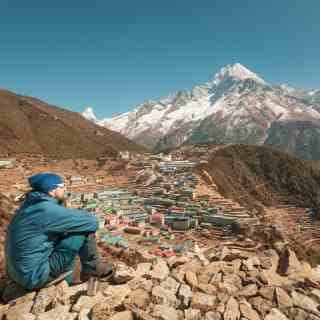

Travelling to high altitude destinations such as mountainous regions or elevated cities can be an unforgettable experience. However, the change in altitude can sometimes cause uncomfortable symptoms for travellers who are not acclimatised. Understanding altitude sickness medication can help travellers prepare properly and reduce the risk of complications.
Altitude sickness occurs when the body struggles to adapt to lower oxygen levels at higher elevations. Symptoms may include headache, nausea, dizziness, fatigue, and shortness of breath. In some cases, medication may help prevent or manage these symptoms.
If you are planning a trip to high altitude areas and would like personalised travel health advice, contact us or book an appointment with the team at Mendus Pharmacy.
Is There a Difference Between Prescription and OTC Altitude Sickness Medication
Altitude sickness medication can include both prescription and over-the-counter options. Prescription medications are often used to prevent or reduce symptoms before travelling to high altitude, while over-the-counter medicines may help manage mild symptoms such as headaches.
A travel health consultation can help determine whether medication is appropriate based on your travel plans, health history, and altitude exposure.
Understand How to Manage Altitude Sickness
Before travelling to high altitude destinations, it is helpful to understand how altitude sickness medication may support prevention and symptom management.
Key points to consider include:
- Altitude sickness can affect anyone, regardless of fitness level
- Medication may help reduce the risk of symptoms when travelling to high elevations
- Prescription medicines are sometimes used for prevention before ascent
- Over-the-counter medicines may help relieve certain symptoms
- Gradual ascent and proper acclimatisation remain important
- Travel health consultations can help identify appropriate options
These factors highlight why travel health preparation is important before visiting high altitude destinations.
What Is Altitude Sickness?
Altitude sickness occurs when the body cannot adapt quickly enough to reduced oxygen levels at higher elevations. It commonly develops when travelling above approximately 2,500 metres.
Symptoms can range from mild discomfort to more serious conditions if not recognised early. Early symptoms often include headache, nausea, fatigue, dizziness, and difficulty sleeping.
Most travellers experience mild symptoms that improve as the body adjusts. However, prevention and preparation are still important to reduce the risk of more severe complications.
Prescription Altitude Sickness Medication
Prescription medications may sometimes be recommended for travellers visiting high altitude areas, particularly when travelling rapidly to high elevations.
One commonly prescribed medication is acetazolamide, which can help the body adjust to altitude by improving oxygen delivery and reducing certain symptoms associated with altitude sickness.
Prescription medication is typically taken before or during ascent and is recommended based on individual travel plans and health history. Healthcare professionals assess suitability before prescribing these treatments.

Over-the-Counter Altitude Sickness Medication
Over-the-counter medicines may also play a role in managing mild symptoms experienced at high altitude.
For example, common pain relief medicines may help reduce headaches that occur during altitude adjustment. Anti-nausea medications may also help travellers experiencing mild digestive symptoms.
While these options may help relieve symptoms, they do not replace proper acclimatisation or medical advice when travelling to very high elevations.
Prescription vs Over-the-Counter Altitude Sickness Medication
| Medication Type | Purpose | When It Is Used | Access |
|---|---|---|---|
| Prescription altitude sickness medication | Helps prevent or reduce altitude sickness symptoms | Often started before ascent or during travel | Requires consultation with a healthcare professional |
| Over-the-counter pain relief | Helps relieve headaches or mild discomfort | Used if symptoms develop at altitude | Available without prescription |
| Anti-nausea medication | Helps manage nausea associated with altitude sickness | Used if symptoms occur | Available without prescription depending on product |
| Hydration and rest | Supports natural acclimatisation | Throughout altitude exposure | General travel health measure |
Eligibility And Safety Considerations
Not every traveller needs altitude sickness medication. Suitability depends on factors such as travel destination, rate of ascent, and personal health history.
Healthcare professionals may consider:
- Planned altitude exposure
- Duration of travel
- Existing medical conditions
- Current medications
- Previous altitude sickness experiences
Certain medications may not be suitable for everyone, which is why professional assessment is recommended before travelling.
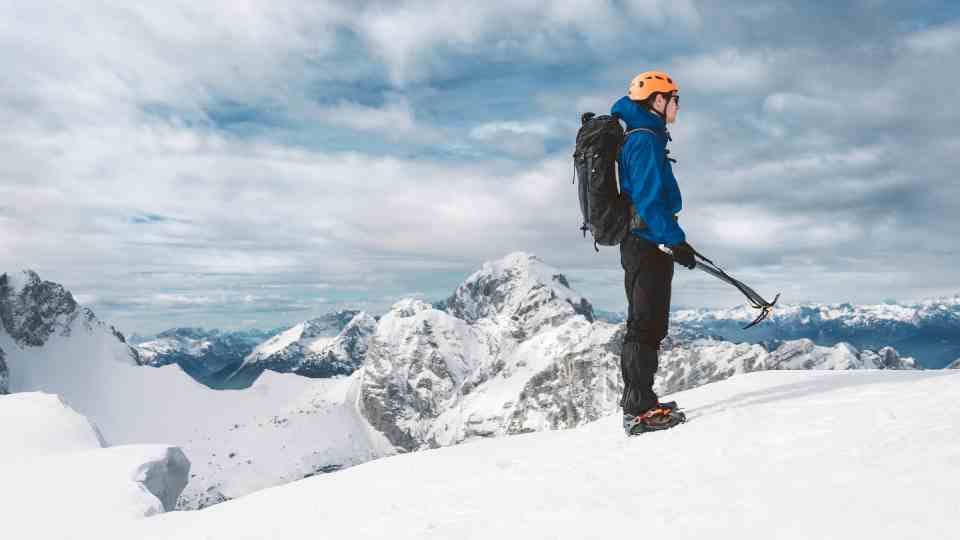
Preparing For High Altitude Travel
Many travellers begin their preparation with a travel health consultation before departure. During this appointment, a clinician reviews the travel itinerary and planned altitude exposure.
Based on this information, travellers may receive advice on prevention strategies, acclimatisation, and medication options if appropriate.
The consultation may also include guidance on recognising early symptoms of altitude sickness and knowing when to descend or seek medical help.
Planning ahead allows travellers to prepare properly and travel with greater confidence.
Frequently Asked Questions
➤ What is altitude sickness medication?
Altitude sickness medication refers to medicines that may help prevent or manage symptoms caused by travelling to high altitude environments.
➤ Do all travellers need altitude sickness medication?
No. Many travellers acclimatise naturally, but medication may be recommended depending on travel plans and altitude exposure.
➤ Can over-the-counter medicines prevent altitude sickness?
Over-the-counter medicines may help manage symptoms such as headaches, but they do not replace prevention strategies or prescription medication when required.
➤ When should altitude sickness medication be taken?
Some prescription medications are started before reaching high altitude, while others may be taken during ascent depending on medical advice.
➤ Can altitude sickness affect healthy travellers?
Yes. Altitude sickness can affect anyone regardless of fitness level.
➤ What is the best way to prevent altitude sickness?
Gradual ascent, proper hydration, rest, and professional travel health advice are important prevention strategies.
➤ Is altitude sickness dangerous?
Most cases are mild, but severe forms can occur if symptoms are ignored. Early recognition and appropriate action are important.
Professional Travel Health Guidance in Pembroke
Our clinicians provide evidence based travel health advice to help travellers prepare safely for high altitude destinations.
If you have questions about altitude sickness medication or preparing for high altitude travel, speaking with a healthcare professional can help ensure your trip is both safe and enjoyable.
Understanding altitude sickness medication options can help travellers prepare more effectively for high altitude journeys.
If you would like personalised travel health advice before your trip, reach out to us today or book to arrange a consultation with Mendus Pharmacy.